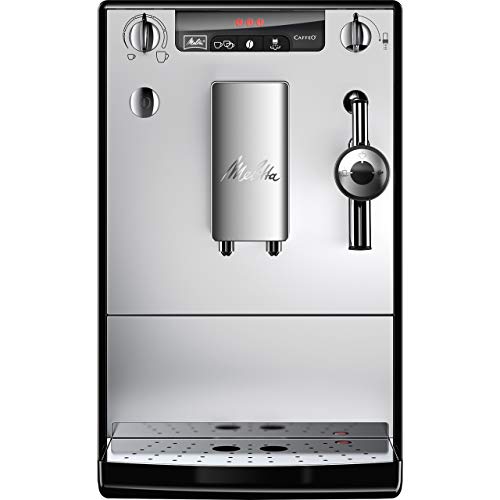

Coffeee
FollowOverview
-
Posted Jobs 0
-
Viewed 330
Company Description
15 Twitter Accounts That Are The Best To Discover More About Coffee Maker Machine
Features of a Coffee Maker Machine
Millions of Americans start their day with a cup prepared by coffee makers. These appliances on the countertop require little maintenance and are simple to use.
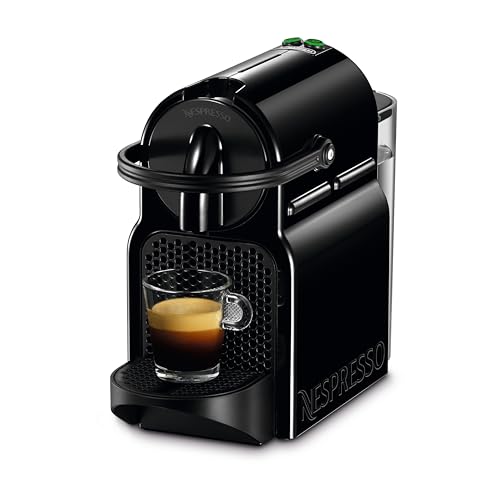 A coffee maker operates by heating water and pouring it onto coffee grounds. Most models feature an insulated carafe that can accommodate many cups of coffee, as well as an electric warming plate.
Temperature Control
The temperature of the water in a coffee maker is vital to the aroma and flavor your cup of coffee will possess. A coffee machine that can automatically maintain an ideal temperature for brewing is the best option. The flavors of coffee will change depending on the temperature from bitter to sour.
The ideal temperature for brewing coffee is between 197F and 204F. This temperature allows the coffee beans to be fully extracted without burning or scorching the coffee grounds. A coffee maker equipped with a temperature control feature can help ensure that your brew will be at the ideal serving temperature, no matter the type of coffee or blend you are using.
Other features you should look for in a coffee maker are an enormous reservoir of water and a filter basket that can be removed. This will let you make a large batch of coffee without the need of refilling the carafe. This is a great option for families that tend to drink a lot of coffee during the daytime. A timer with programmable settings is another useful feature that will assist you in setting your coffee to be ready at the desired time.
Certain coffee makers let you adjust the strength of the brew to suit your tastes. This is a great feature for those with specific tastes in coffee or who prefer to drink different strengths every day. Some coffee makers also have the capability of generating pressure through thermal energy that allows for additional extraction which can lead to an improved flavor as opposed to traditional drip brewing methods.
In addition to these features, some coffee makers also have hot plates that keep your coffee warm for a long period of time. This feature is great if you’re making multiple cups of espresso, as you can have the first one ready before all the others are ready to brew. Some of these coffee makers come with an option to control the temperature that lets you select the temperature of the plate to ensure that it doesn’t cause burns to your hands when you use it.
Water Level Indicator
The amount of water that is in a tank or reservoir is one of the most crucial aspects that needs to be controlled. It is crucial for the household to function in a proper manner in both drinking water and for other uses. It also helps in avoiding unintentional incidents such as leaks and overflows of water from overhead tanks.
To prevent these incidents To avoid such accidents, a simple level indicator circuit could be used to detect the presence of water in the tank. It is comprised of a sensor that is connected to the microcontroller. The circuit is easily constructed with the help of basic electrical and electronic components. It is easy to use and does not require any complicated programming. The water level circuit is suitable for a variety applications for example, the detection of leaks or overflow, and even flooding.
When you start your coffee maker in the morning, you are probably not thinking about what is going inside the machine. What is the process that makes the water rapidly heat up, and what causes the gurgling sound? There’s a lot of science involved.
The base of the coffee maker is a reservoir of water which you can fill with water. The tube that runs from the bottom to the top of your machine is known as the drip area. The hot water tube goes through this tube and the heated water is pumped over an elongated disc, known as the drip area. The hot water drips down onto the ground grounds of coffee and fills the carafe.
To determine the level of water it is necessary to have a sensor connected to the base of the transistor. The sensor is made up of a power trace as well as the sense trace. They create a variable resistance that changes according to how much water it is submerged in. This is because the more water they are exposed to, the better their conductivity which means they have lower resistance. The sensor generates the voltage dependent on the conductivity. This voltage can be used to measure the water level.
When the water comes in contact with probe A the probe A, a positive voltage is applied to the transistor’s base Q1. This makes the transistor switch ON and current flows from its collector to its emitter, making LED 1 glow. When the water is at probe B the transistor Q2 switch ON is activated. When the water reaches probe C the switch ON of transistor Q3 is activated and when it reaches probe D the buzzer triggers.
Brewing Timer
A coffee maker timer permits you to set a limit prior to the machine making coffee. This is useful for people who like to prepare their coffee ahead of time and don’t wish to get up at dawn to make a cup.
There are a few different types of coffee makers with brewing timers, including single-serve and pod coffee makers. Single-serve machines that pour cups of pre-ground, weighed and ground coffee directly to your cup without filtering. They’re convenient, but they may be a bit more expensive than traditional drip coffee makers.
The pod coffee makers are single-use filters with small holes that hold coffee grounds. The grounds are submerged in hot water, and then put into a cup. After the pods are empty, they’re taken away. Pod coffee machines are simple to use and are a great choice for those who don’t wish to take up much space in their kitchen.
If you’re looking to buy a larger capacity coffee maker, there are coffee pots that can be used to make multiple cups at once. Some models include a glass carafe which keeps your coffee warm until it’s ready to serve. Certain models have an open reservoir that makes it easier to refill the machine.
For a more precise brew, you can use a coffee maker with an integrated scale. These machines calculate the amount of coffee and water needed to make the desired amount. This helps you keep all the ingredients in your kitchen. Most of these models have built-in timers for coffee brewing as well, so you can be sure that your coffee will be ready by a specific time.
A coffee maker with built-in timers will help you avoid overbrewing, which can result in bitterness and strong smells. A timer will notify you when the brewing process has finished, and some even sound an audible alarm when it’s time to stop the brewing. This feature is particularly useful for those who prefer to use third-wave methods, such as the Aeropress or Hario V60.
Easy Cleaning
Many of the best coffee maker models are equipped with a built-in self-cleaning cycle. This feature lets you run a mix of vinegar and water through your machine if the buildup of scale reaches an amount that ensures that the machine is protected and ensures that your coffee is fresh. Cleaning indicator lights usually alert you when the automatic cleaning cycle is needed.
Milos says that cleaning the removable parts of the machine is a different way to keep it smelling and tasting delicious. Remove the brew basket and permanent filter from the machine and wash them in hot, soapy water. Rinse thoroughly to get rid of any coffee grounds remaining or oily residue. Then wipe down the outer shell, the inner lid, and brewing area with a cloth dampened with warm dish soap and water. Finally, rinse the carafe with warm water and let the components dry before putting them back together.
Vinegar can also help to descale coffee makers and eliminate mineral deposits. If you don’t have vinegar, try running a solution consisting of equal parts of water and white vinegar through the machine. Start the brew cycle but stop it halfway through so the vinegar has the chance to penetrate the scale and break it down. Do a full cycle of water to wash away any remaining scale and then rinse with vinegar solution.
Milos says that keeping your coffee maker clean can prolong its lifespan. It’s recommended to clean the reservoir and pot once every three to four weeks, and to wash the removable parts after every use. Cleaning a coffee maker isn’t that difficult. However, it is crucial to incorporate this task into your routine cleaning routine. This will allow you to enjoy your favorite cup of coffee knowing that your machine is clean and free of contaminates.
While it’s easy to concentrate on the essential features of a coffee maker, don’t ignore the simple maintenance that can determine the success or failure of your morning routine. These tips will ensure that your coffee maker is working well, regardless of whether you use the Keurig or drip professional Coffee machine maker.