

England Nhs
FollowOverview
-
Posted Jobs 0
-
Viewed 1088
Company Description
NHS: Belonging in White Corridors
In the sterile corridors of Birmingham Women’s and Children’s NHS Foundation Trust, a young man named James Stokes carries himself with the measured poise of someone who has found his place. His smart shoes barely make a sound as he acknowledges colleagues—some by name, others with the familiar currency of a “how are you.”
James displays his credentials not merely as an employee badge but as a symbol of inclusion. It rests against a well-maintained uniform that gives no indication of the tumultuous journey that preceded his arrival.
What sets apart James from many of his colleagues is not visible on the surface. His demeanor discloses nothing of the fact that he was among the first beneficiaries of the NHS Universal Family Programme—an effort designed specifically for young people who have been through the care system.
“The Programme embraced me when I needed it most,” James says, his voice steady but carrying undertones of feeling. His observation encapsulates the heart of a programme that strives to revolutionize how the massive healthcare system approaches care leavers—those vulnerable young people aged 16-25 who have transitioned from the care system.
The statistics paint a stark picture. Care leavers frequently encounter greater psychological challenges, financial instability, accommodation difficulties, and lower academic success compared to their age-mates. Beneath these cold statistics are human stories of young people who have traversed a system that, despite good efforts, regularly misses the mark in offering the nurturing environment that forms most young lives.
The NHS Universal Family Programme, launched in January 2023 following NHS England’s pledge to the Care Leaver Covenant, embodies a substantial transformation in institutional thinking. At its heart, it accepts that the complete state and civil society should function as a “collective parent” for those who haven’t experienced the stability of a conventional home.
Ten pathfinder integrated care boards across England have led the way, developing systems that reimagine how the NHS—one of Europe’s largest employers—can open its doors to care leavers.
The Programme is detailed in its strategy, beginning with thorough assessments of existing policies, establishing governance structures, and obtaining leadership support. It understands that effective inclusion requires more than good intentions—it demands concrete steps.
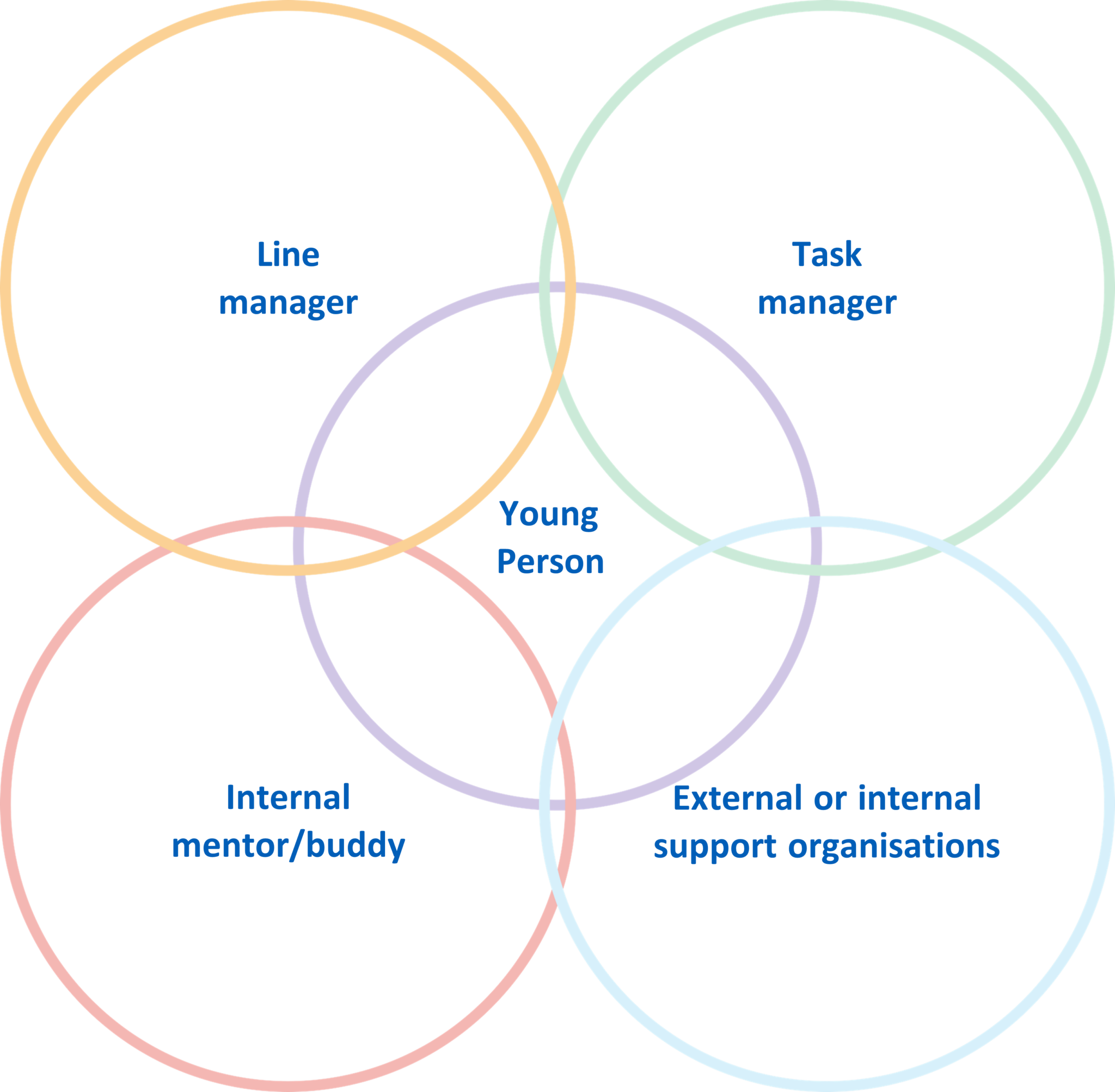
In NHS Birmingham and Solihull ICB, where James began his journey, they’ve developed a consistent support system with representatives who can provide assistance and counsel on personal welfare, HR matters, recruitment, and inclusivity efforts.
The conventional NHS recruitment process—structured and potentially intimidating—has been thoughtfully adapted. Job advertisements now emphasize character attributes rather than extensive qualifications. Application procedures have been reconsidered to accommodate the specific obstacles care leavers might face—from missing employment history to having limited internet access.
Possibly most crucially, the Programme understands that beginning employment can present unique challenges for care leavers who may be handling self-sufficiency without the support of parental assistance. Issues like commuting fees, identification documents, and bank accounts—considered standard by many—can become substantial hurdles.
The elegance of the Programme lies in its thorough planning—from outlining compensation information to offering travel loans until that crucial first wage disbursement. Even ostensibly trivial elements like coffee breaks and office etiquette are thoughtfully covered.
For James, whose professional path has “revolutionized” his life, the Programme provided more than a job. It gave him a sense of belonging—that ineffable quality that emerges when someone senses worth not despite their past but because their distinct perspective enhances the workplace.
“Working for the NHS isn’t just about doctors and nurses,” James comments, his gaze showing the subtle satisfaction of someone who has discovered belonging. “It’s about a community of different jobs and roles, a group of people who truly matter.”
The NHS Universal Family Programme represents more than an job scheme. It stands as a strong assertion that systems can change to include those who have experienced life differently. In doing so, they not only alter individual futures but enhance their operations through the distinct viewpoints that care leavers bring to the table.
As James navigates his workplace, his involvement quietly demonstrates that with the right support, care leavers can thrive in environments once considered beyond reach. The arm that the NHS has offered through this Programme signifies not charity but acknowledgment of hidden abilities and the essential fact that each individual warrants a support system that believes in them.